Are you wondering how to best plan your Peru vacation?
One of the most diverse and popular countries for travel in South America, Peru is known for its desert Pacific coasts, towering Andean mountains and exotic Amazon Rainforest. This means that not only are there many worthwhile and unique destinations to visit throughout the country, but also that choosing different months for a visit can lead to different types of climates and overall experiences.
In this comprehensive guide, we’ll explore everything you need to know about planning your very best Peru vacation. This includes what to expect during each season, the best time for the different regions mentioned above, as well as how to avoid crowds and have more authenticity. Later in this article we’ll then answer your most frequently asked questions in our FAQ section.
Table of Contents
Planning Your Peru Vacation: When Is The Best Time To Visit?
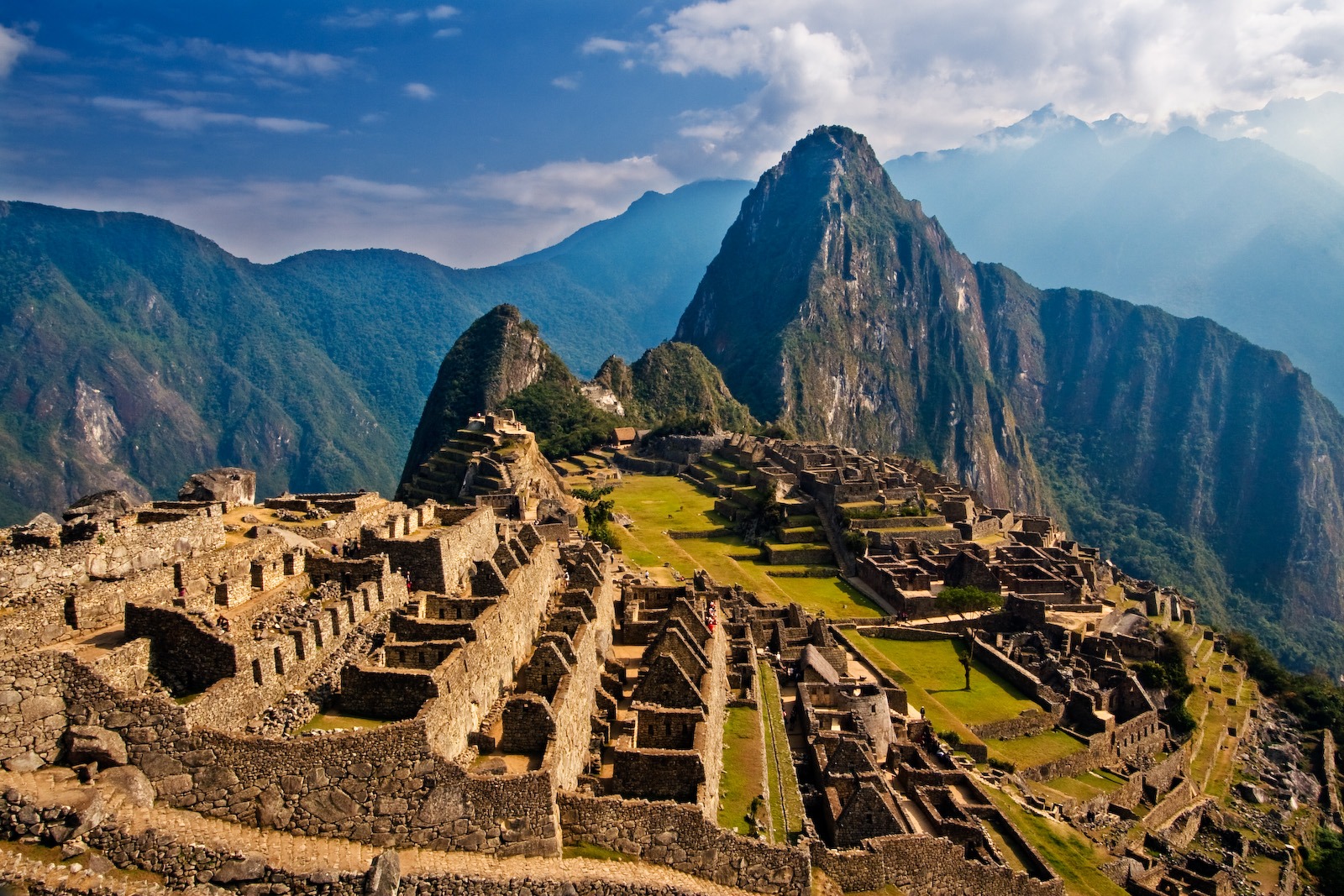
Overall the winter season is the most popular time to visit Peru for tourists, and is often considered the overall best for a visit. This begins in June and runs through until September, which is the peak of the dry season and promises the best weather across the country – making it a great time to plan your perfect Peru vacation around. Not only is it ideal for trekking in the Andes and seeing wildlife in the Amazon, Lima won’t be scorching hot like it gets in the summer, while nearby destinations like Huacachina and Nazca are more comfortable to visit. It is important to note however, that these months tend to be more expensive for flights and accommodation – and given certain destinations can get crowded (like Machu Picchu), it’s vital to book key experiences months in advance before your trip.
The shoulder season months (October, November, April and May) are some of the best individual months for a visit. While still taking advantage of the ideal sunny weather and minimal rains, you’ll also skip much of the busy period from June until September – and will have less crowds at places like Machu Picchu and Rainbow Mountain. The wet season (late November until early April) is the overall quietest and best for authenticity and local atmosphere – although rains can get heavy in much of the Andes and Amazon regions.
The Different Seasons Of Peru And What To Expect
Let’s now take an in-depth look at the different seasons of Peru, the advantages and disadvantages of each, as well as anything else important for you to know while planning your trip through Peru.
Peru In Winter (June – August)
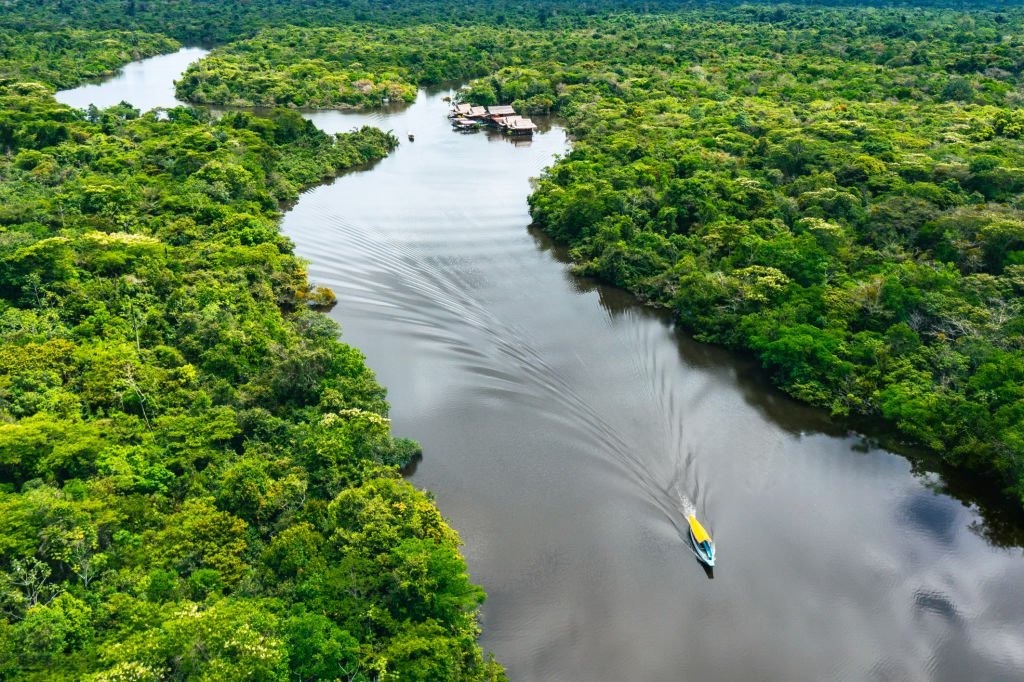
The winter season is by far the most popular time for a Peru vacation, and for good reason. It runs directly along with the long-awaited dry season, meaning clear blue skies and great weather are all but guaranteed on your trip. This is best felt in the Andes and is ideal for hiking the Inca Trail or visiting Machu Picchu, while the Amazon regions like Puerto Maldonado will still have showers but less overall – and is an ideal time for jungle trekking and spotting more mammal species along the newly-exposed river banks. Lima and the Pacific Coast will be dry throughout the year, however with cooler temperatures. The drawbacks of a visit during winter include cooler temperatures (especially in the Andes at night), more crowds and more expensive flight and hotel prices.
Peru In Spring (September – November)
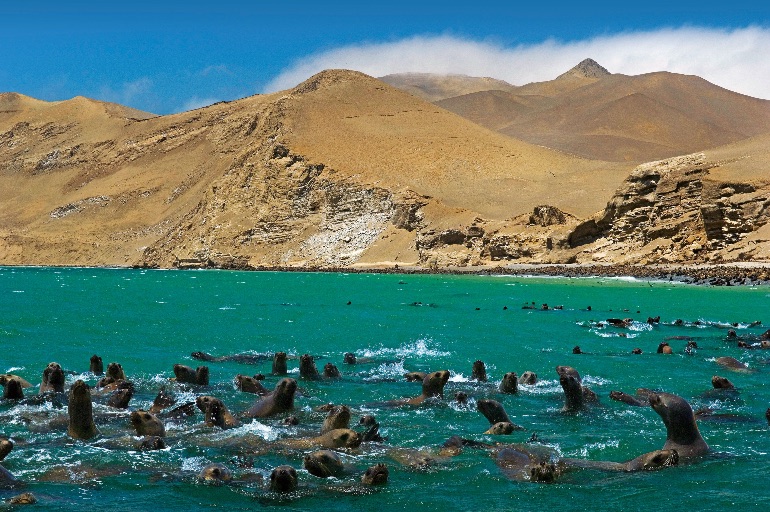
Next we move into the Spring season, which continues the great weather all across Peru. While some showers can begin in the Andes in late October and November, they are still occasional and hardly impact treks or outdoor experiences. The Amazon River begins to slowly rise in spring, which again doesn’t really impact what you can see and will be similar to what you would experience in the winter season. Lima in particular is starting to get warmer, and while it isn’t yet prime beach weather – we can enjoy more time outdoors and trips to must-see destinations like the Nazca Lines, the Ballestas Islands and the Huacachina Oasis. The drawbacks of a visit during spring are actually quite minimal aside from a few early showers – and the month in October is one of the best of the year which balances great weather along with less crowds.
Peru In Summer (December – February)
The summer season in Peru begins in December and lasts until February – and runs directly along with the main wet season for the country. In the Andes this results in more frequent showers and sometimes closures of certain hiking circuits (for example the Inca Trail closes for all of February), however the landscapes are more beautiful and green, with snowfall in the higher altitudes. The Amazon Rainforest also gets wetter with more vivid jungle activity and colours, and is a perfect time to spot birds, amphibians and the native Pink River Dolphin in Iquitos. The summer season is the perfect time to visit Lima for hot days and clear blue skies to see local parks and the ancient Huaca Pucllana ruins, and also for visiting nearby beaches such as those of San Bartolo or Punta Hermosa for relaxation time. The obvious drawbacks are heavier showers in the Andes and Amazon, while the weeks around Christmas and New Years are busier and more expensive.
Peru In Autumn (March – May)
Lastly we move into the autumn season for Peru, which happens to be the least touristy time of the year. It’s a fantastic time to visit the Andes as rainfall begins to drop yet the scenery remains impressive – and especially so in April. The Amazon Rainforest also begins to see a reduction of heavy showers, while wildlife sightings and activity remain very high. Lima and the Pacific Coast remain warm until early April, where temperatures begin to drop as we enter May and the start of the winter season for Peru. Given the weather is getting better, prices are low and there aren’t so many crowds, there are very few drawbacks for tourists who choose to have their Peru vacation in the autumn season.
How The Different Tourism Seasons Can Affect Your Peru Vacation
Another important factor to consider is how different tourist seasons can affect your visit, which we’ll now explore below.
The High Tourist Season For Peru
The main high tourist season in Peru follows the winter period, which starts in June and lasts until September. During these months, there tends to be bigger queues and crowds in top sites such as Machu Picchu, and for this reason it’s crucial to buy tickets a few months in advance given they often sell-out. The atmosphere in big cities like Lima and Cusco tend to be much more festive with more events on (which we’ll check below), although flight and hotel prices also tend to increase. It’s worth knowing there’s also a secondary short high tourist season for the Christmas and New Years period.
The Low Tourist Season For Peru
The low tourist seasons are from October until early December, as well as from late January until May. Given these months coincide with the wet season, they are less crowded – meaning they are a great time to enjoy more authentic atmospheres and less crowds around Peru. Prices tend to drop for hotels and international flights too, meaning you can both find cheaper deals, as well as being able to book late without major hikes in prices. Of course the rainy weather does create some disadvantages (sometimes travel can have delays, as well as the closure of the Inca Trail in February) – however the upside is more beautiful scenery, flexibility and less crowds.
Cultural Events And Key Dates In The Peruvian Calendar
Fiesta De La Candelaria (February) – One of the biggest festivals in South America let alone just Peru, here traditional costumes and a week of Andean dances takes place in Puno on the shores of Lake Titicaca.
Carnival In Cajamarca (March) – For a more authentic event which is less touristy, the Cajamarca Carnival features festive parades, street dancing, delicious foods and water fights as the city fills with colour and celebrations.
Qoyllur Rit’i (May/June) – Each year in the sacred Sinakara Valley, a massive indigenous pilgrimage takes place starting in Cusco. Thousands join the walk to commemorate the Lord of Qoyllur Rit’i, with unique customs such as locals hiking peaks to bring home sacred glacial ice.
Inti Raymi (June 24) – Known as the Festival of the Sun, Inti Raymi is the biggest festival in Peru. Celebrated in Cusco, it lays honor for the Inca civilization with massive parades and ancient re-enactments throughout the city.
Procesión Del Señor De Los Milagros (October) – One of the largest religious processions in the world, this cultural event takes place every October in Lima and sees thousands march across the city dressed in bold purple clothes and costumes.
Frequently Asked Questions About Planning A Peru Vacation
In this section we’ll now explore the most frequent questions we get about the best time to visit Peru, as well as anything else you need to know.
What Is The Rainy Season In Peru?
The rainy season in Peru directly coincides with the summer season, and begins in November and lasts until April. While the Amazon sees showers regardless of the time of year, it gets much heavier this season – while the Andes transform from very dry to wet as we move into the rainy season. The Pacific Coast however remains dry in this period, and especially around Lima with its unique microclimate.
What Is The Cheapest Month To Go To Peru?
Usually months like February and March (low tourist season and deep within the rainy season) are the cheapest months to visit Peru with flight and hotel deals. Other months which are typically cheaper also include the shoulder season months of April, October and November. On the contrary, high season months (between June and September, and December-January) tend to be the overall most popular and expensive months to visit Peru.
What’s The Coldest Month In Peru?
While the winter season in Peru runs from June until September is the coolest time of year, the months of July and August are the overall coldest months in Peru. This is mostly felt in the Andes at night in high-altitude destinations like Cusco and Huaraz – where temperatures drop very low – and even in Lima it can get chilly at night. It’s important to remember that the regions of the Amazon Rainforest will remain hot throughout the winter period.
Overview Of How To Plan Your Most Memorable Peru Vacation
And that’s all for this guide on how to plan your very best Peru vacation.
Visiting Peru is a very rewarding experience, given there’s tonnes of unforgettable destinations to visit such as Cusco, the Andes, Lima, the Amazon Jungle, the Nazca Lines and much more. However, as we’ve seen, the weather, tourism levels and other factors can really vary per month – and as such it’s vital to read this guide thoroughly to work out the very best time to visit Peru according to your own travel goals.
Ready to have the most unforgettable vacation in Peru? Here at TravelBuddiesPeru, you can fully customize your Peru trip with us exactly how you want it to be, and enjoy the very best scenic destinations and cultural experiences during your time here with us.