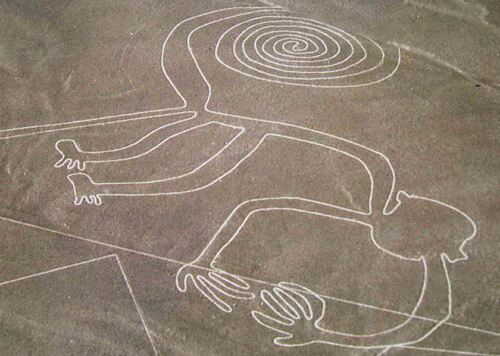
One of the most interesting and easy-to-spot hieroglyphs in the Nazca Desert, the Nazca Lines monkey is a true sight to behold.
Known for its incredible fine-like work, it’s one of the best ancient creations to marvel at during your Nazca Lines flight. Not only is the Monkey’s particular history and significance important for understanding the Nazca culture better, it’s also quite big – meaning it’s very easy to spot high from above, and to make out the hieroglyph both for understanding it and getting memorable photos.
In this we’ll explore everything you need to know about the Nazca Lines Monkey. This includes its particular significance for the Nazca culture, and how to best see this mysterious ancient hieroglyph. Later in this article we’ll then answer your most frequently asked questions in our FAQ section.
Table of Contents
How Was The Nazca Lines Monkey Discovered?
While the lines themselves in the Nazca Desert have been noted for several hundreds of years, it wasn’t until 1920 that they were properly discovered and understood. Researchers Paul Kosok and Maria Reiche were the first to properly note them from the air, and worked out that these random lines in the ground actually formed giant hieroglyphs when seen from above. From here they then were able to start defining different creations such as the Monkey, the Condor as well as the mysterious Nazca Lines Astronaut during multiple interviews overflights.
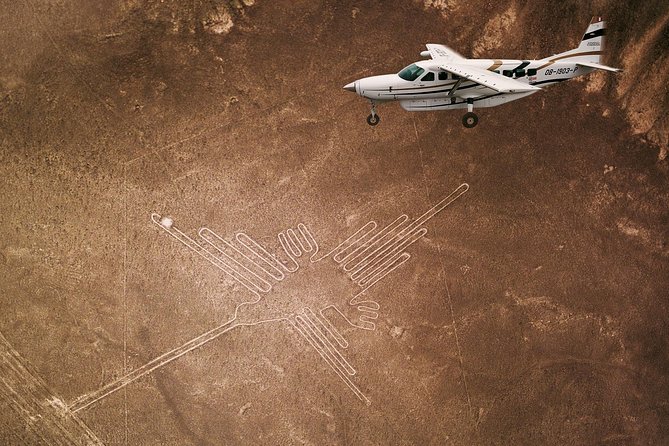
What Makes The Nazca Lines Monkey One Of The Best Ancient Hieroglyphs To See
Firstly, the Nazca Lines Monkey is one of the overall biggest hieroglyphs that you can see in the entire Nazca Desert, and its clear use of thin lines makes it easy to see visually and take memorable photos of. Secondly, it’s a fascinating creation as monkeys are not present in these low-lying coastal regions, nor high up in the Andes – which speculates that the Nazca civilisation either travelled far to the jungles for trading, or had other knowledge of these primate species.
The Best Way To See The Nazca Lines Monkey While In The Region
To see the Nazca Lines Monkey and all of the other 300+ hieroglyphs in style, you have two options. The first is heading to the observatory tower in the desert, however views are limited to a 45° angle at best as it’s not very tall – which is not ideal as some of these giant hieroglyphs stretch for several hundreds of meters.
The very best way is to head on a Nazca Lines Flight Tour From Lima, where an experienced pilot will fly you over all the most important creations with perfect 360° views, while teaching you the important facts and theories behind each one. The tour mentioned above is even better too – since you’ll be able to visit in one day from Lima and not have to travel far to get to Nazca – and also have visits to other incredible destinations like Paracas and the Huacachina Oasis included too.
Frequently Asked Questions About The Nazca Lines Monkey
In this section we’ll now explore the most frequent questions we get about the Huaca Pucllana ruins in Lima, as well as anything else you need to know.
How Big Is The Nazca Lines Monkey?
The Nazca Lines Monkey measures a giant 330ft long, and 190ft high – making it one of the very biggest Nazca Lines hieroglyphs and easiest to spot when flying from above. Given its large size, finer details and thinner lines are more easily observable which is perfect for taking memorable photos, such as its thinly-designed limbs and its hands which only have nine fingers instead of a full ten.
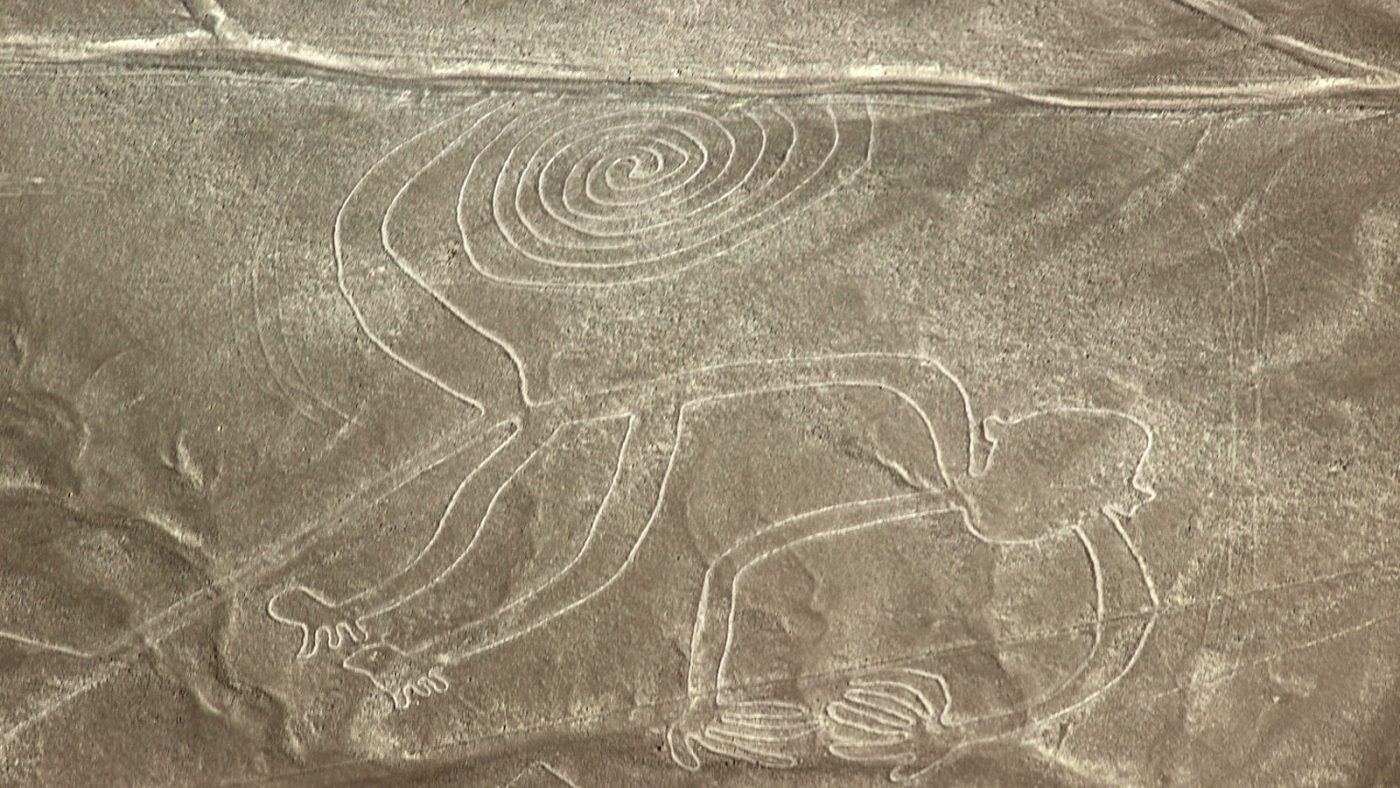
What Does The Nazca Lines Monkey Represent?
Most interestingly of all, the Monkey hieroglyph was thought to represent the Amazon Rainforest, given that monkeys originate and only live in the thick jungle. This then brought forward theories that the Nazca either engaged in trade with wandering cultures from the jungle to be aware of primates, or they themselves travelled far to connect and build with other ancient civilisations from the different regions of Peru.
Where Is The Nazca Lines Monkey Located?
The Nazca Lines monkey is located within the arid desert of Nazca, which is also called the Pampa de Jumana (given there are contrasting sediment layers here which were dug up and created the strong contrast that can be seen from above). Specifically, the Monkey is located next to the Hummingbird and Dog hieroglyphs, and is one of the first we will see during an overflight of the region.
Overview Of The Nazca Lines Monkey
And that’s all for this guide on the fascinating Nazca Lines hieroglyphs that we can spot within the middle of the Nazca Desert.
During an overflight tour we can spot dozens of large ancient creations which vary from depictions of wild animals, gods and extraterrestrial beings. The Monkey, although one being of the more realistic and simple ones, is by far one of the most important for research and learning about the Nazca civilization themselves – suggesting they might have travelled hundreds of kilometres to trade with cultures of the Amazon Jungle.
Are you ready for an unforgettable experience here in Peru? Book Our Nazca Lines Overflight Tour Now, which is a simple day trip from Lima and includes all private transport, an expert pilot guide to teach you about the different creations, as well as included visits to nearby destinations such as Huacachina and the Ballestas Islands.