Have you heard of the ancient Nazca mummies in Peru?
Perfectly preserved for thousands of years within Peru’s harsh deserts, the mummies of Nazca are a remarkable feat of human ingenuity which can easily be visited during your trip. Not only do they perfectly capture moments from thousands of years ago, they also give us a glimpse into the spiritual and cultural practices of past civilisations that once thrived in these remote and hostile environments.
In this article we’ll explore everything you need to know about the Nazca mummies, who they were, and how they were created. As well as looking at how you can see them yourself, we’ll also answer your most frequently asked questions too in our FAQ section.
Table of Contents
The Fascinating History Of Peru’s Nazca Mummies
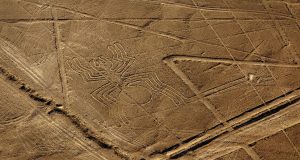
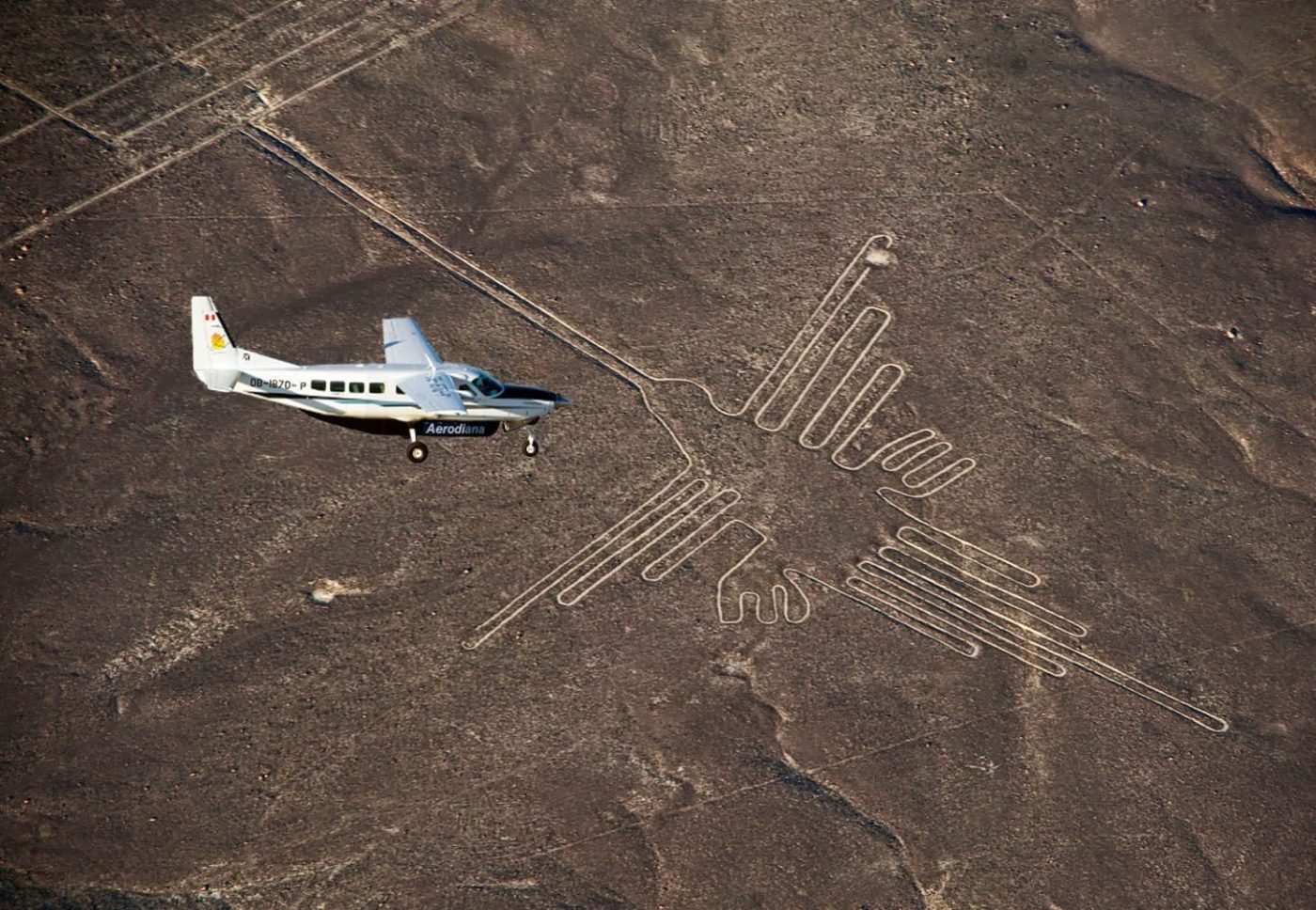
Peru as a whole is well-known for its ancient civilisations, such as the Inca Empire who hailed from the Andes, as well as the Norte Chico culture who built the oldest ruins in the entire western hemisphere. However the Nazca civilisation was truly one of the most mysterious and impressive – given they created the giant Nazca Lines we can see today and also thrived in such harsh desert conditions.
The Nazca first began some 2000 years ago, and were particularly focused on spiritual beliefs and practices such as rituals and mummification. They believed that by preserving their loved ones and holding a ceremony for their passing, that they would be accepted into the afterlife – and would help the civilisation maintain contact with those in otherworldly realms.
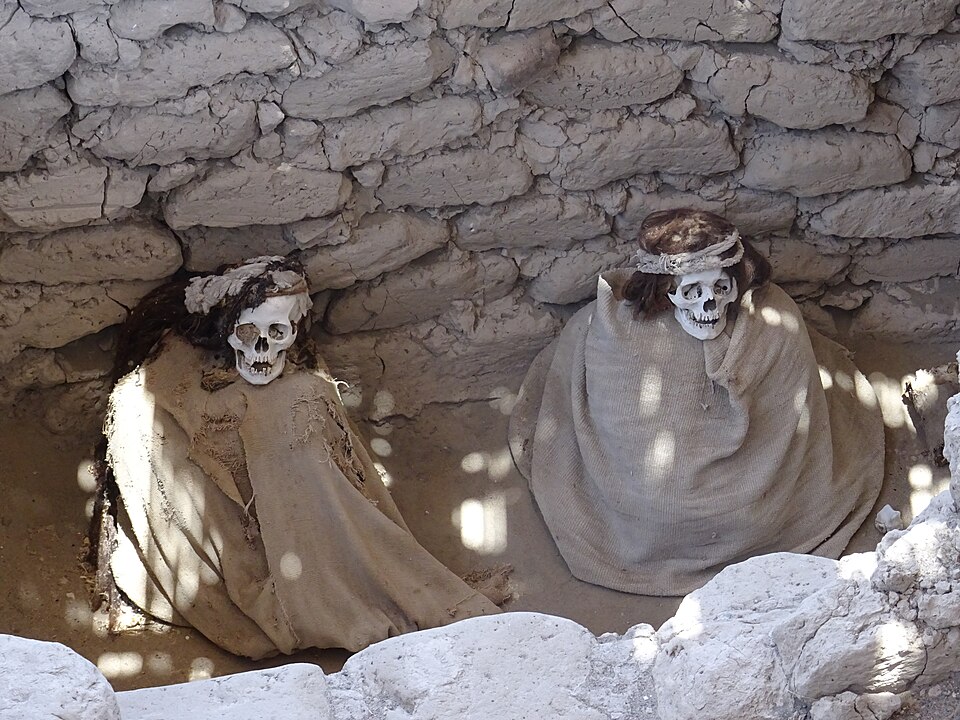
Interestingly, creating the Nazca mummies was actually much easier than one might think. Given they lived in a harsh desert, the climate and dryness actually helped with mummification by removing all moisture and halting decay – and does spark theories that the Nazca intentionally chose to live in the harsh deserts for this reason.
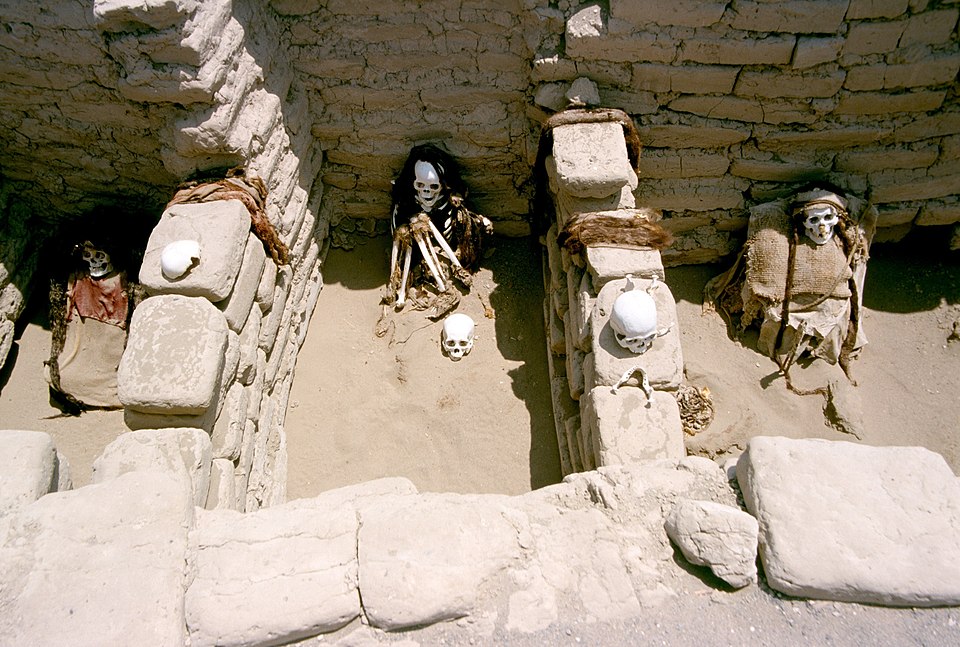
The Nazca also held elaborate processes to guarantee the best chance of successful mummification. This includes removing all organs, coat bodies in protective resin to repel insects, and also wrapped bodies in layers of embroidered cottons and decorated textiles. It’s also believed they would hang bodies above ground to further air-dry them, before burying them in deep mud brick tombs to protect them.
How To See The Nazca Mummies During Your Trip
Whilst there are many fascinating sites around the Nazca region once inhabited by this culture, Chauchilla Cemetery is one of the only ancient necropolises that still houses mummies exactly as they were buried thousands of years ago. Here we can see as many as 20 perfectly preserved skeleton remains – which even have their original skin and hair still in-tact! Other nearby sites like Cahuachi unfortunately no longer have any Nazca mummies – however are still worth the visit to see other ancient artefacts.
The Nazca mummies (within Chauchilla Cemetery) are located roughly an hour away from Nazca, within the same desert where the Nazca Lines are found – making it easy to see both together. If staying in Nazca you can book a taxi independently to visit them, however if you are coming from Lima then it’s best to head on our organised Nazca Tour From Lima which saves you time and effort, and also includes private transport and extras visits to Huacachina and the Ballestas Islands.
The Nazca Mummies FAQ
In this section we’ll now explore the most frequent questions we get about the Nazca mummies, as well as anything else you need to know.
Why Are There So Many Mummies In Peru?
There are two reasons why there are so many mummies found throughout Peru. Firstly, the coastal deserts of Peru are extremely dry and provide perfect conditions for natural mummification. Secondly, intentionally mummifying relatives became an important spiritual practice in order to preserve life after death – and was first seen as many as 7000 years ago by the Chinchorro people in Southern Peru and Northern Chile.
What Happened To The Nazca People?
It’s believed that shifts in climate change were the main reason the Nazca eventually fell, which included severe droughts and later massive floods due to the El Niño phenomenon. However it’s also thought that they also caused their own demise – by deforesting too much of their own habitat which protected them from natural events, and also by joining other bigger cultures such as the Wari who later conquered the Nazca.
Are Nazca And Inca The Same?
No – the Nazca and Inca are two very different civilisations that existed in different periods of Peru’s long and deep history. The Nazca are the oldest of the two who lived between 100 B.C-800 A.D, and flourished around the deserts of the Nazca region. The Inca were much bigger and more formidable – with their power influencing as far as Colombia and Argentina at their peak – but came much later in history between 1200-1500 A.D.
Overview Of The Nazca Mummies
And that’s all for this guide on the Nazca mummies, and why they remain such a fascinating practice within Peru’s long and deep history.
Although they are almost 2000 years old, the Nazca mummies appear as if they were buried only 100 years ago – which is due to ancient burial practices and natural processes, making them some of the best-preserved mummies in all of South America. Thankfully they are also quite easy to visit, either from Nazca itself or if coming on a day trip from Lima.
Interested in exploring the very best highlights that the Nazca region has to offer? Here at TravelBuddiesPeru we operate a memorable Nazca And Huacachina Day Tour From Lima, where we’ll fly over the Nazca Lines, go sandboarding in the deserts and much more.