Set aside striking red sand beaches along Peru’s Pacific coast, the Paracas National Reserve has become a must-visit destination when in Lima.
Here we can spot a variety of stunning marine animals, see otherworldly rock formations and also learn more about the hidden cultures of this coastal region.
In this guide we’ll explore everything you need to know about the Paracas National Reserve, including the different animals you can see as well as whether the trip is worth it. We’ll also explore how you can get here, as well as why heading on a tour from Lima may be your best bet.
Table of Contents
Everything You Need To Know About The Paracas National Reserve
What Is The Paracas National Reserve In Peru?
One of the most remarkable coastal areas found within Peru, the Paracas National Reserve is an 828,000-hectares area of wild deserts and remote Pacific beaches.
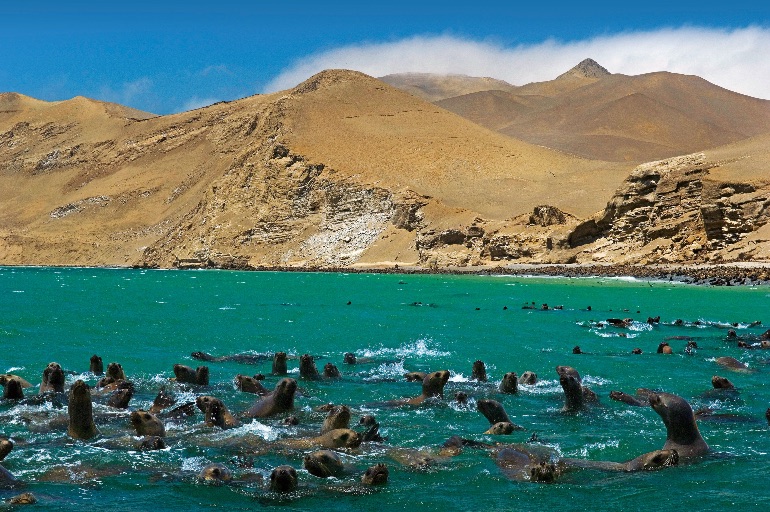
Protected by the government since 1975, it’s home to otherworldly red beaches, sea lions, Humboldt Penguins as well as the legendary Candelabro hieroglyph. It’s also here where we can find the diverse Ballestas Islands – which are a must-see on any trip through Peru’s southern regions.
Is The Paracas National Reserve Worth Visiting?
Quick Answer: Anyone visiting Lima will want to spend at least a day in the Paracas National Reserve, given the abundance of incredible things to see and do here.
This region is also quite close to the capital, meaning we can easily get here within a few hours (which makes a day trip very easy to do). Below we’ll look at the main reasons you’ll want to visit this unforgettable coastal reserve.
The Location Of The Paracas National Reserve
The Paracas National Reserve is located right next to the small fishing village of Paracas, in the Ica region of Peru. It’s located roughly 250km south of Lima – which takes around 3-4 hours to reach with either a taxi or public transportation (which makes it a very attractive destination for a day trip from the Peruvian capital). It’s also just an hour away from the stunning oasis desert town of Huacachina, and many tourists usually combine a visit to both when exploring the region.
Given the surrounding Ica region is arid desert, it’s important to have proper expectations when it comes to the climate. Days are typically hot, while evenings can get quite chilly like they do in the desert of Huacachina. It’s important to note however that, because it’s located right on the coast, temperatures can sometimes feel a little chilly in the day if there are strong coastal winds. This is especially the case if it’s overcast or when heading on a boat tour to the Ballestas Islands, and as such bringing a jumper or coast is recommended.
The Best Things To See And Do In The Paracas National Reserve Peru
Spot Coastal Animals In The Paracas Peninsula
One of the most ecologically-diverse areas in Southern Peru, the Paracas National Reserve is perfect for seeing a tonne of different animal species.
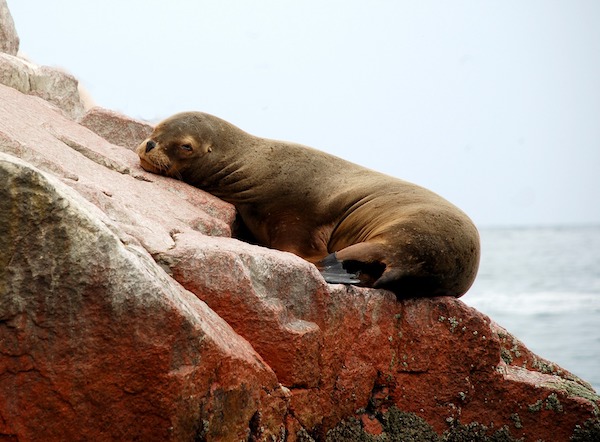
The Humboldt Penguin is perhaps the most popular animal to spot, and whilst considered a vulnerable species, they are found in abundance along this stretch of the Pacific Ocean. Within the waters we can also see sea lions, dolphins, turtles and even orcas if we’re lucky! Depending on the time of year, whales will also pass along these cooler waters.
If you’re looking to see birds then you’re in the right place here. There are over 200 different kinds of coastal bird species in the reserve, with the bright-pink Flamingo the most iconic for a photo. Keep your eyes peeled for the waves of cormorants and seagulls overhead, whilst you can also spot the endemic Peruvian Booby.
Be sure to learn more about the different animals found here and on the adjacent Ballestas Islands.
Rent A Bike Or ATV For Independent Explorations
Arguably the best thing about the Paracas National Reserve is its remote feeling and nature, even if it is just a stone’s throw away from the town of Paracas.
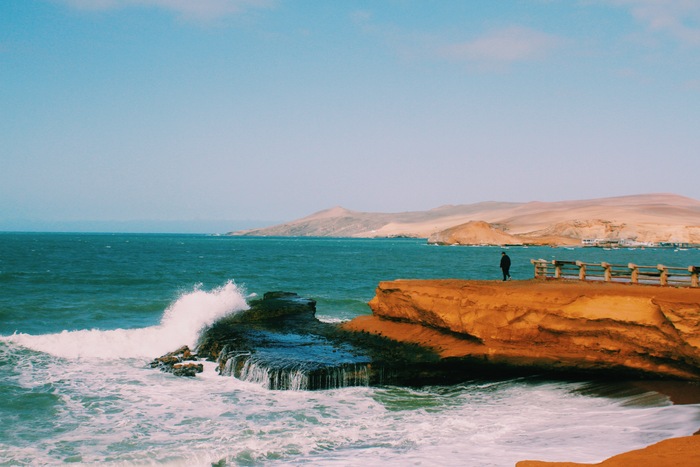
Here we can hire an ATV for off-road explorations along dusty paths and sandy beaches, and head much deeper into the reserve than if we just went by walking. One of the best sights to see along the way is La Catedral – which is a famous rock formation that was shaped from millions of years of ocean waves and tectonic activity. While part of the main arch has crumbled during a past earthquake, the viewpoint is still stunning and worth visiting on any exploration here.
There are also bike-friendly paths within the reserve for those who prefer a more relaxing or slow journey when here. With a full day we can easily explore the different famous beaches here, and also stop off at the Golden Shadows Trek around the mid afternoon – where we can hike along dramatic desert hills that light up a bright gold as the sun begins to set.
Head To Ancient Ruins Of Paracas And In Nearby Regions
Paracas is a very underrated destination to visit for ancient ruins and history, especially given most tourists focus their time either in Machu Picchu, the Sacred Valley or the nearby sites in and around Lima.
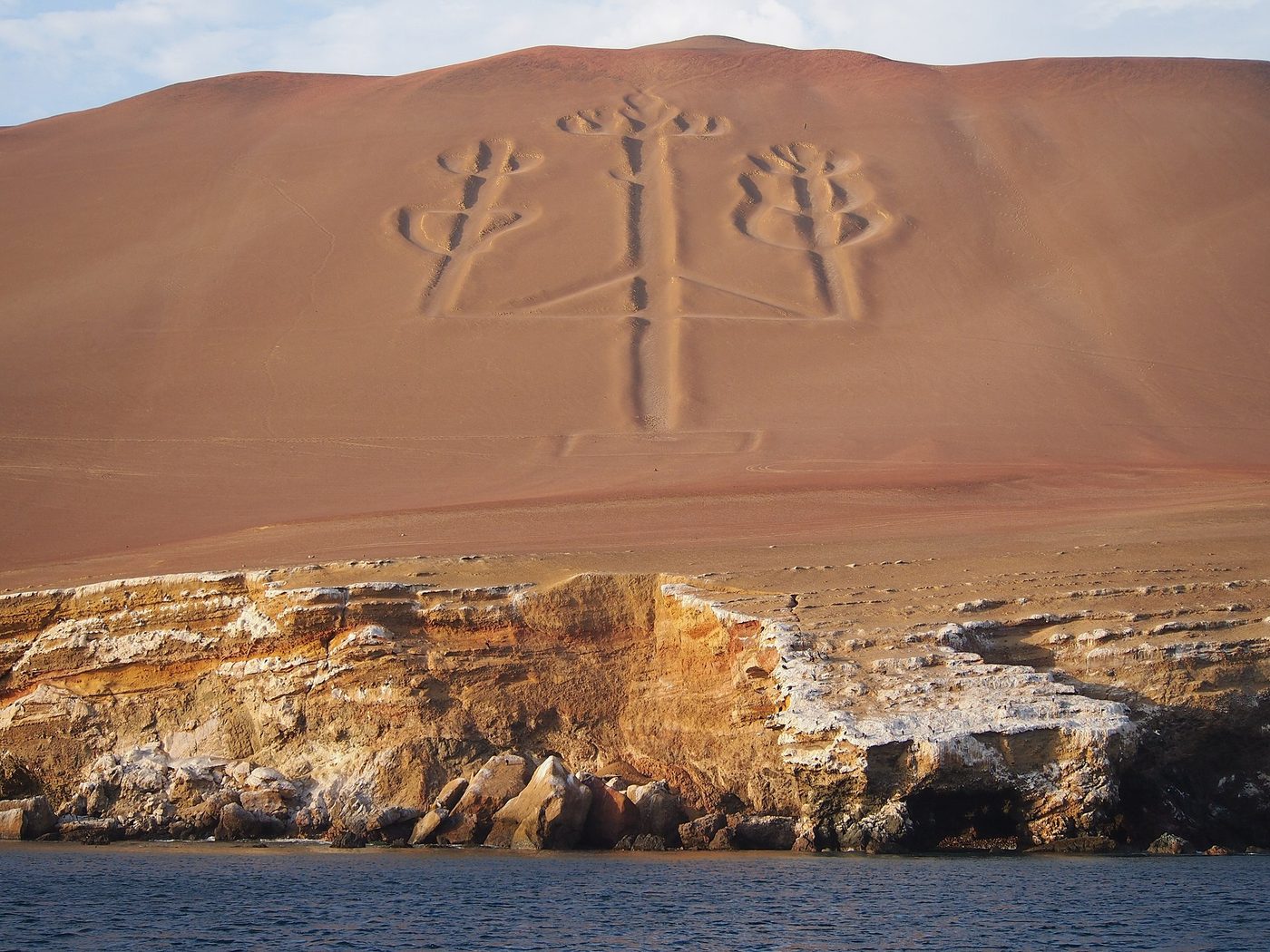
The Paracas Civilisation once roamed these lands between 700 BCE and 200 CE, and have left behind numerous sites that are worth visiting. Directly within the Paracas National Reserve, one of these is the Candelabra Geoglyph – which is a 595ft-tall carving on the side of an arid hill right on the coast. It’s best seen during a Ballestas Islands Tour From Lima, as the boat does a close drive-by when heading out to see the Sea Lion colonies and Humboldt Penguins of the area.
Another site worth visiting is Tambo Colorado. While not located within the Paracas National Reserve itself (it’s about an hour away in the region of Pisco), it’s known to be one of the most important coastal sites that once belonged to the famous Inca. Here we can explore various Adobe temples and pyramids, and learn how the Inca depended on it for trade and water distribution.
Explore The Important Cultural Sites Of Paracas
Whilst more focus is generally given to the old Inca and Moche civilisations, the ancient Paracas Culture is another important part of Peru’s history – who flourished here over 2000 years ago.
The Julio C Tello Site Museum is a great place to learn about this interesting culture. Located just on the outskirts of Paracas, here we can discover a variety of ceramic, textiles and skeletons within the exhibit rooms. Open since 1964, it’s a great place to learn more about the post-life rituals that were once important to this ancient culture.
Those who are more interested in ecological fossils and remains will want to head to the Centro de Interpretación, which is a short walk from the Julio C Tello Site Museum. Dedicated to exhibits on ancient marine conservation, here we can explore fossilized remains which include ghost crabs and dried-up jellyfish. These also help us to understand the Paracas culture, and how they once interacted with the abundant nature that we can still spot here today.
Visit The Beaches Of The Paracas Reserve
Firstly we have the incredible variety of beaches found along the coast, which are worth visiting regardless of the season.
Playa La Mina is one of the most popular for swimming, where you can also visit the nearby town of Lagunillas for some tasty seafood such as Ceviche (which is caught and served fresh on the same day). Playa Mendieta and Playa Yumaque are good alternatives if you want more peace and quiet, and especially so if heading during the summer months.
Then we have the famous Playa Roja, which is a natural red sand beach that looks something right out of a sci-fi film. Arguably one of the best instagrammable spots along Peru’s Pacific Coast, getting here can be somewhat challenging, which is why we recommend heading on a tour which covers all transportation to and from.
How To Visit The Paracas National Reserve And Surrounding Regions
Once you’ve decided you want to visit the reserve, the next challenge is working out how to get here.
Thankfully there are several different ways which all depend on you, your budget and your ideal trip expectations. Below we’ll explore the main ways.
Going Independently From Lima By Bus
Those who are independent travelers (or want to save money) can first take a bus from La Victoria station in Lima to Paracas which takes roughly 4 hours. There are various companies like Cruz del Sur and PerúBus who make the journey multiple times a day.
From here you can then take a taxi to the reserve where you’ll need to get your entrance ticket. In total it will take 4.5-5 hours one way from Lima, so you may need to consider spending a night in Paracas to really make the most of your time here.
Heading With A Reputable And Organised Tour Operator
This option is much more convenient than heading independently, given you’ll save on travel times (and can make the most of a single day trip). Here you’ll have all transport included to and from the Paracas Reserve, where you’ll travel in a more comfortable private vehicle.
Another benefit of heading on a Paracas National Reserve Tour is the fact that you’ll usually also have a boat trip around the incredible Ballestas Islands included. Here you’ll be able to spot many native birds and marine species, which will make for an unforgettable moment on your trip around Peru.
Local Expert Video: Why You Should Visit The Paracas National Reserve
Full Video Transcript
Thinking about visiting the Paracas National Reserve from Lima? Here’s everything that you need to know, and what to expect from a trip here.
Just a few hours south of Lima, the Paracas National Reserve is known for its dramatic landscapes and wildlife.
In the Paracas National Reserve you can spot sea lions, dolphins, and even Humboldt penguins along the coast, while nearby trips to the Ballestas Islands offer even more marine life and bird species.
There’s more than nature here too — the Paracas National Reserve is also home to scenic viewpoints, quiet beaches, and fascinating history linked to ancient coastal cultures.
Travellers can easily visit with a guided day trip from Lima, where all highlights can be covered in one smooth journey.
Read our full guide below to learn more about the Paracas National Reserve.
This video was created by George Alvarez – a Peru-based travel expert who has explored these destinations personally and helps travelers plan their own Peru trips.
Tips For Visiting The Paracas National Reserve Peru
Visit The Reserve Early – Whether heading to the Ballestas Islands or exploring more of the reserve, we highly recommend going early (around 7:00am). This way you can enjoy the area with less tourists around, and also see more wildlife as they become active during these hours.
Bring An Extra Jumper – Although the boat tours usually have a roof cover, it won’t stop the strong winds coming through when jetting through the Pacific Ocean. Be sure to bring an extra jumper or coat with you, as you’d be surprised how cold it can get (especially during the early morning or later afternoon hours).
Book A Paracas And Huacachina Day Tour – Trying to see both Paracas and Huacachina (both within the Ica region) on the same day from Lima can be very tough, given limited return bus schedules to the capital. We instead recommend booking our awesome day tour from Lima, which includes all attractions, private transport and an expert guide.

Paracas National Reserve FAQ
In this section we’ll now explore the most frequent questions we get about the Paracas National Reserve in Peru, as well as anything else you need to know.
What To Wear In Paracas Peru?
The weather can be a little challenging to plan for in Paracas. During the day it’s hot, so you’ll want to wear light layers, a hat and apply sunscreen. However in the morning and evening it gets quite cool here, and you’ll also want to bring an extra jumper on the boat ride to the Ballestas Islands (as it’s more windy out in the ocean).
How Safe Is Paracas Peru?
Paracas is one of the safest coastal towns that we can visit in Peru. This is due to the fact that it is a very popular destination to visit for tourists, and as such there is police presence in order to keep everyone safe. Aside from that, locals also prioritise safety and familiarity in these parts, so any crime is exceptionally rare here. The only real risk is swimming – as currents can be very strong, so it’s important to only swim in designated safe beaches.
Can You See Whales In Paracas Peru?
Whilst mostly known for its colony of Humboldt Penguins, Paracas also does have Humpback Whales who visit just off the shores. Their annual migration through the waters of Paracas is between July and October each year, so if seeing these mighty animals breach the water is a must for you, then you’ll want to plan your trip around these times!
What Is Paracas Most Famous For?
Paracas is most famous for its unforgettable Ballestas Islands, which are a must-visit for tourists who want to explore the very best highlights of Peru. Here you will head on a boat tour departing Paracas, first visiting the ancient geoglyph of Candelabra – created some 2200-2500 years ago by the Paracas culture. You will then visit the famous rocky outcroppings, where we can spot thousands of seabirds like the Peruvian Booby and Cormorant, as well as Sea Lions and the endemic Humboldt Penguins.
Can You Swim In The Sea In Paracas?
Within the actual Paracas National Reserve, swimming is banned on most beaches (such as Playa Roja) given dangerous currents and as not to disrupt the local wildlife. However the beach in Paracas town is safe for swimming, and is a great way to cool-off from the hot midday Peruvian sun.
What Is The Best Restaurant In Paracas?
There are a variety of incredible restaurants to eat at when exploring the town of Paracas and the nearby Paracas National Reserve. Restaurante Puerto Ballestas and Nautilus Paracas are known for their fresh seafood dishes, while also offering international classics. Those after a more upscale and exclusive dining experience will enjoy a reservation at the Restaurante Chalana – which is located within the Hotel Paracas and features upscale dining and exceptional water views.
Experienced Advice On Visiting The Paracas National Reserve

George Alvarez
A Peru Travel Expert With Years Of Experience Exploring Peru, And Has Personally Explored The Paracas National Reserve And Surrounding Regions.
“If you’re in Lima and deciding which day trips are best during your time here, then I’d strongly suggest the Paracas National Reserve. Getting up early, you can easily head on a Ballestas Islands boat tour and see Penguins and Sea Lions, as well as the ancient Candelabra Ruins on the same ride.
You can also see beaches like La Mina which are nearby in the reserve, or even quickly visit Huacachina and go sandboarding in the desert before coming back to Lima the same evening.”
Overview Of The Paracas National Reserve
And that’s all for this guide on everything you need to know about the Paracas National Reserve.
Known for its incredible rock formations, wild red sand beach and an abundance of coastal animals, it’s the perfect place to visit on a day trip from Lima. Thankfully this reserve remains a protected natural area, which means its history and fauna will continue to flourish for many more years to come.
Are you looking to see animals in Paracas whilst visiting the Nazca Lines and heading to the giant sand dunes of Huacachina? Check out our Day Tour from Lima which includes everything above and more!