Curious what the Lima Peru elevation is?
The capital of this extraordinary South American country, almost all travellers first arrive into Lima given its well-connected international airport. However many do wonder what the altitude situation is here, and whether you have to adjust your plans or take it slower like you would in areas within the high Andes.
In this guide, we’ll explore everything you need to know about the Lima Peru elevation. This includes its total figure, how it can vary substantially depending on the region, as well as whether the capital is more likely to experience certain events given its altitude. Later we’ll also answer some of your most asked questions in our FAQ section.
Table of Contents
Everything You Need To Know About Lima Peru Elevation
What Is The Lima Peru Elevation?
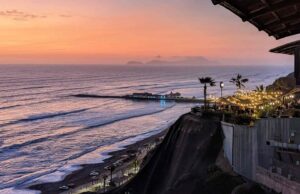
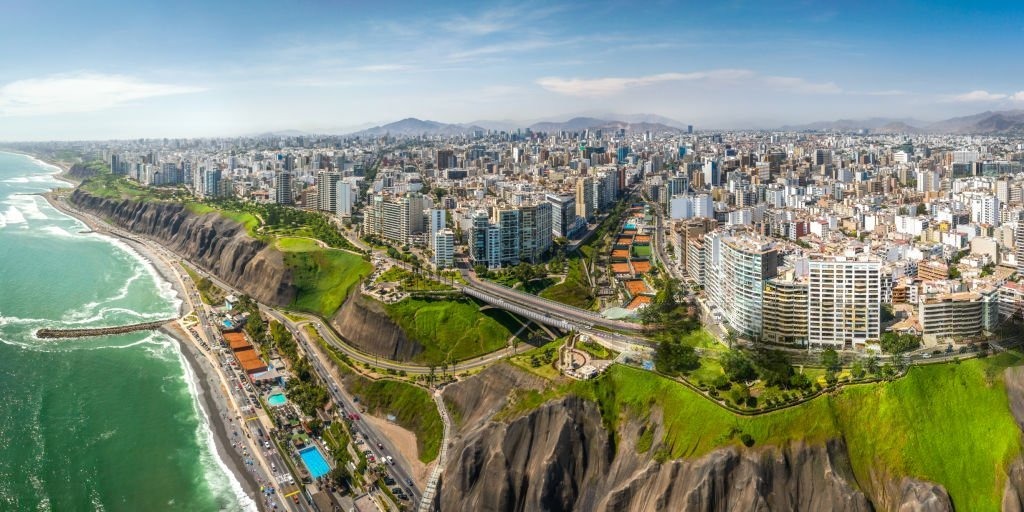
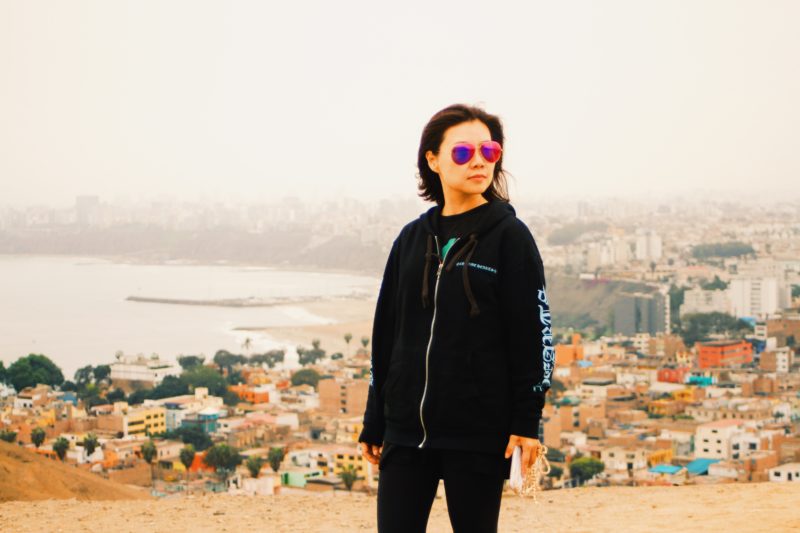
The city of Lima has an altitude of between 0-200m. Popular areas such as Miraflores and Barranco are located higher up (between 50-80m) as they sit above the Costa Verde cliffs, while others like Callao are directly at sea-level. As we head further east of Lima, we start to reach the first Andes foothills which can rise up to 800m – while even further into the Lima district (to areas such as Huancaya) can reach as high as 3500m+ – although these are very far away from the city.
Why Does It Vary In Different Areas So Much?
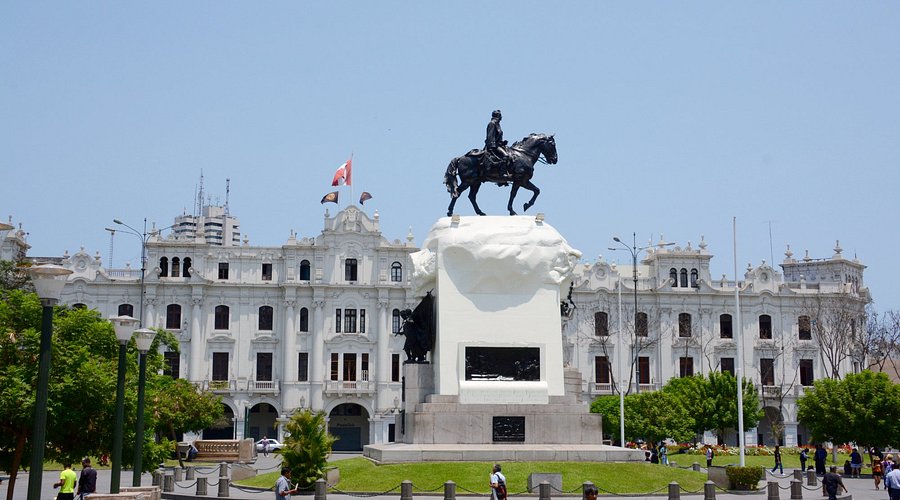
This is due to the shape of Lima and its coastline, as well as Peru’s overall geography. The further north and south areas of the capital are mainly at sea-level, however in the heart of the city (around Miraflores, San Isidro, and the hip district of Barranco) the famous Costa Verde cliffs jut up out of the Pacific – which are as high as 80m in some parts. As you head further inland it begins to rise, such as up to 200m in the Historic Center – and then dramatically increases to the east of Lima as we see the first Andes mountains.
Is The Lima Elevation Safe From Altitude Sickness And Natural Events?
Varying at just 0-200m in elevation, the city of Lima is completely safe from altitude sickness – and actually a welcome relief for those who are flying in from the higher-elevated Cusco and Andes regions. While destinations within the Lima state can climb much higher in altitude (between 2000-4000m), these are dedicated day tours that are very far away – and are not usually visited by tourists while exploring and staying within the city.
The main worry for tourists is the potential for large waves of tsunami events, given the area is on an active fault boundary and lies next to the coast. However, districts like Miraflores, San Isidro and Barranco are completely safe as they have giant cliffs protecting them, while the Historic Center is even higher up and further in-land. Certain districts like Callao are at sea-level, but tourists rarely stay here during their time in Lima.
Frequently Asked Questions About The Lima Peru Elevation
In this section we’ll now explore the most frequent questions we get about the Lima Peru elevation, as well as anything else you need to know.
Is Lima High Altitude For Tourists?
It’s important to know that Lima can really vary between altitudes in the city and outskirt regions. The city itself is between 0-200m and is considered low altitude, which includes the coastline-lying Callao up to Miraflores and the higher-lying Historic Center district. As you head out into the outskirts of Lima further east of the city, elevations can range up to 800m as you start to climb the first foothills of the Andes – however there is still no risk of altitude sickness at these heights.
Do I Need Altitude Sickness Pills For Lima?
No, you won’t need any altitude sickness pills or medications during your stay in the city of Lima. While destinations high in the Andes such as Cusco, the Sacred Valley and Lake Titicaca can cause altitude sickness and require strategies such as Coca Leaf Teas and anti-sickness medications, none of this is necessary in Lima city. Being at sea-level, you will feel exactly the same as anywhere else on the planet that is low in altitude.
What Are The Odds Of Getting Altitude Sickness In Peru?
While the city of Lima has no risk of altitude sickness for tourists, there are other areas around Peru where there is either a moderate or higher risk. Destinations between 2000-2500m carry a moderate risk and can sometimes affect tourists with light symptoms, such as Arequipa or Ayacucho. Any destination above 2500m has a higher risk the higher in elevation we go, such as destinations like Cusco, Lake Titicaca, Huaraz and the Sacred Valley.
Overview Of The Lima Peru Elevation
And that’s all for this guide on everything you need to know about the Lima Peru elevation.
One of the most popular destinations to visit in all of Peru, Lima is full of incredible sights such as the subterranean San Francisco Catacombs, beautiful Costa Verde, as well as the trendy hip district of Barranco. Given the Peruvian capital is located at sea-level, there are no concerns for tourists about getting altitude sickness – meaning that you can arrive and hit the ground running without any delays.
Looking to explore the very best highlights of Lima in style during your visit? Here at TravelBuddiesPeru we can fully customize your Private Lima Day Tour exactly as you wish – including visits to the very best museums and sites, along with private transport and an expert tour guide on hand.