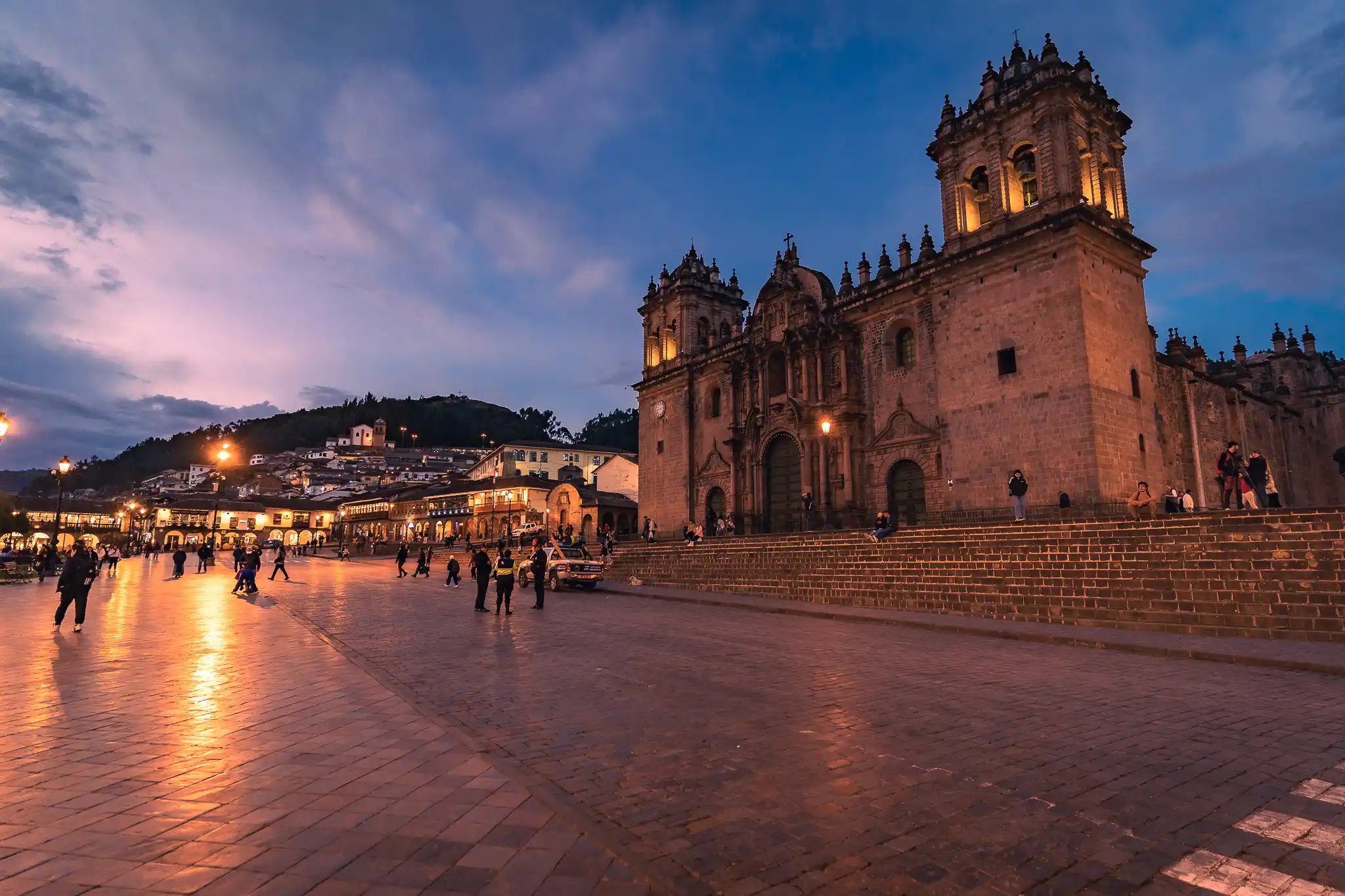
The best things to do in Cusco are visiting Sacsayhuamán and Qorikancha, walking the Plaza de Armas, San Blas and San Pedro Market, and taking day trips to the Sacred Valley, Machu Picchu and Rainbow Mountain. Plan at least 4 to 5 days, buy the Cusco tourist ticket (boleto turístico) for most ruins and museums, and come in the dry season, May to September, for the clearest skies.
| Altitude | About 3,400 m (11,152 ft) · take it easy on day one |
|---|---|
| Days needed | 4–5 days with the Sacred Valley and Machu Picchu · 6–7 with Rainbow Mountain |
| Cusco tourist ticket | 16 sites for 10 days (around S/130) · cheaper partial tickets for 1–2 days |
| Not in the ticket | Qorikancha, the Cathedral, Maras salt mines and Machu Picchu |
| Best time to visit | May to September (dry season) · December to March is rainy |
| Rainbow Mountain tour from Cusco | From US$42 per person |
Cusco was the capital of the Inca Empire and is still the base for almost every trip in southern Peru. We are a local team that runs tours here every week, so below are the 20 things we actually recommend: first the sights in the city, then the Inca sites just above it, then the best day trips. At the end you’ll find how many days you need, the tourist ticket explained, the best time to visit and a sample itinerary.
Table of Contents
Things To Do In Cusco City
1. Plaza de Armas And Cusco Cathedral
The Plaza de Armas was the center of the Inca capital and is still the heart of Cusco, framed by colonial arcades and two churches. The Cathedral, on the north side, holds a famous Last Supper with a guinea pig on the table, and has its own entrance ticket. Start here on day one: it’s flat, central and easy on the altitude.
2. Qorikancha (Temple Of The Sun)
The most important temple of the Inca Empire, once lined with gold, with the Santo Domingo convent built on top of its walls. Inside you can see perfect Inca stonework next to colonial cloisters. Allow about an hour; entry is paid separately, not with the tourist ticket.
3. The Twelve-Angled Stone On Hatun Rumiyoc Street
Two blocks from the plaza, this single stone fits its neighbors on 12 sides without mortar, and shows why Inca walls survive earthquakes that brought down colonial buildings. Keep walking up Hatun Rumiyoc toward San Blas: the street is lined with original Inca walls.
4. San Blas Neighborhood
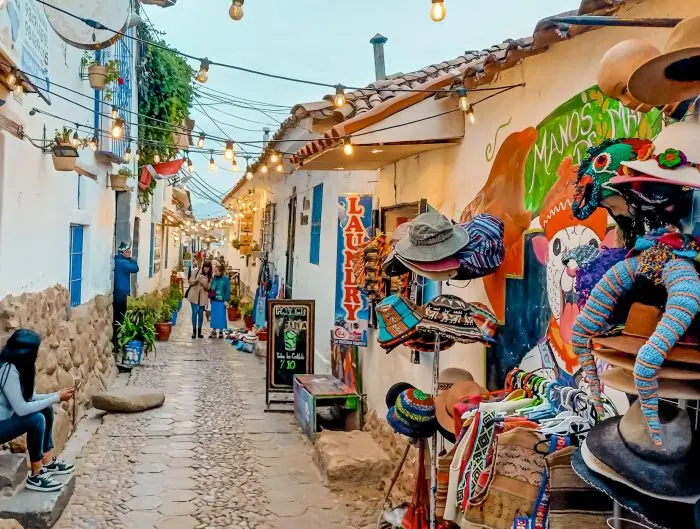
Cusco’s artisan quarter, with steep cobbled streets, whitewashed houses, workshops and small cafés. Climb to the San Blas plaza and the viewpoint above it, then wander down Calle Siete Borreguitos, one of the most photographed streets in the city.
5. San Pedro Market
The city’s main market, a few blocks south-west of the plaza: fruit juices, Andean cheeses, big round breads, dozens of potato varieties and cheap lunch counters. Go in the morning, keep your phone in a front pocket, and order a fresh juice at the stalls in the middle.
6. Museo De Arte Precolombino (MAP)
A small, well-curated museum with gold, silver and ceramics from the cultures that lived in Peru before the Incas. One to two hours is enough, and it’s a good plan for a rainy afternoon.
7. ChocoMuseo Chocolate Workshop
A hands-on workshop where you roast cacao beans and make your own chocolate in about two hours. It’s an easy, low-effort activity for your first day while your body adapts to the altitude.
8. Cristo Blanco At Sunset
The white Christ statue on the hill above San Blas has one of the best views of the city, and it’s free. Walk up in about 30 minutes (slowly, it’s steep) or take a taxi, and stay for the sunset.
9. A Folk Dance Show At The Centro Qosqo De Arte Nativo
Every evening this center on Avenida El Sol stages traditional dances from the Cusco region in full costume. Entry is included in the full tourist ticket, so it’s a good way to use it after the ruins close.
10. Eat Like A Cusqueño
Beyond the restaurants on the plaza, try chicharrón (fried pork with big-kernel corn), adobo cusqueño on a Sunday morning, rocoto relleno and the large local breads. Cuy (guinea pig) is the traditional dish for celebrations in the Andes, if you’re curious.
Inca Sites Just Above Cusco
11. Sacsayhuamán
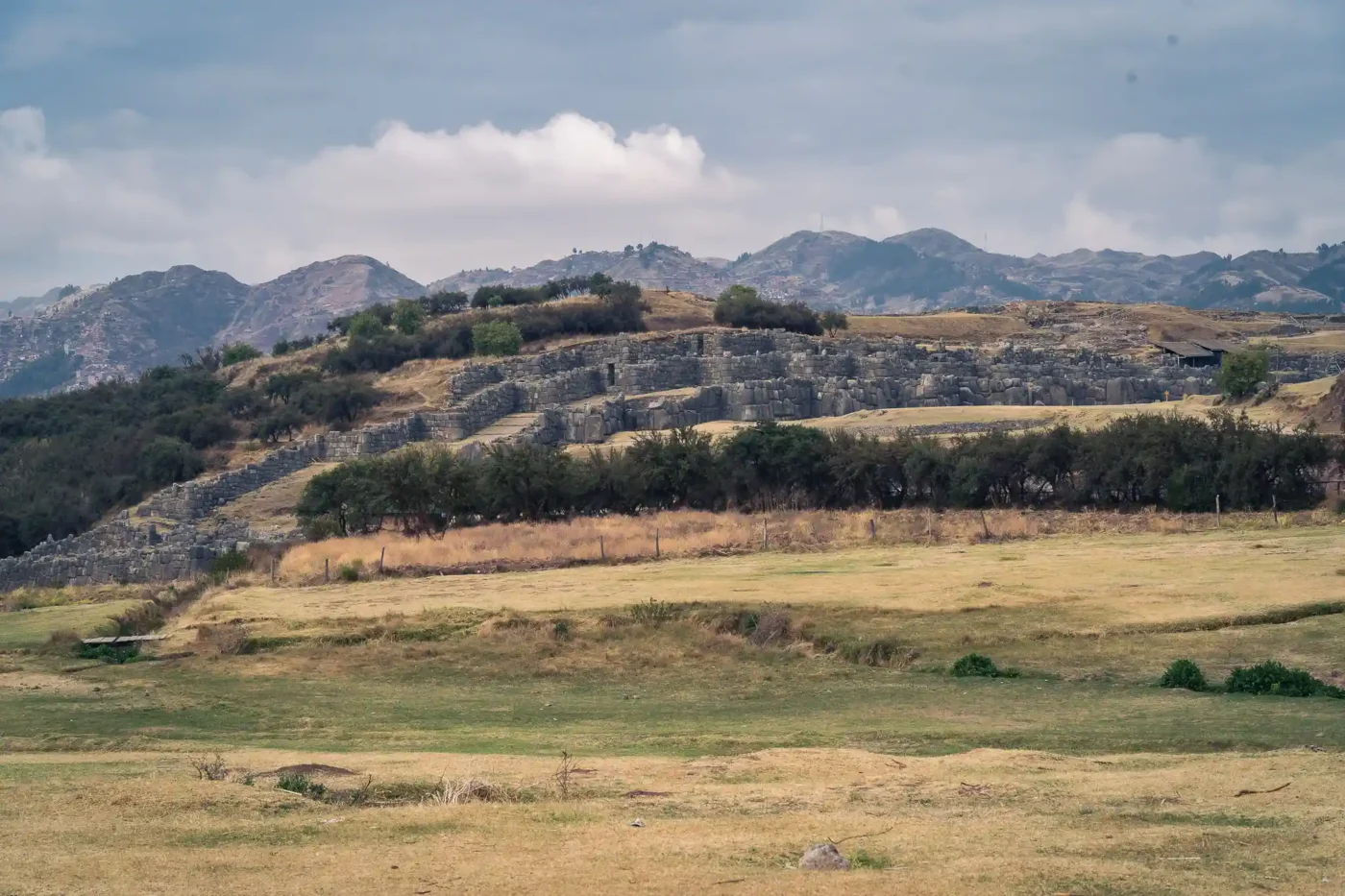
The great Inca temple-fortress above the city, with zigzag walls of stones over 100 tons fitted without mortar. It’s a 20- to 30-minute uphill walk from the plaza or a short taxi ride, and the view over Cusco’s red roofs is superb. Allow about two hours. Every June 24 it hosts the Inti Raymi, the Inca festival of the sun.
12. Q’enqo
A carved limestone outcrop a short walk from Sacsayhuamán, with a cave-like altar and zigzag channels the Incas used in ceremonies. It takes about 30 minutes and many people skip it, so it’s usually quiet.
13. Puka Pukara And Tambomachay
Two small sites a little further up the road: Puka Pukara was a checkpoint and resting place, and Tambomachay, across the road, has Inca fountains that still run. Together with Sacsayhuamán and Q’enqo they are the “four ruins” of Cusco, all covered by the tourist ticket.
14. Walk Back Down To The City
A local favorite: take a taxi up to Tambomachay, then walk downhill past Puka Pukara, Q’enqo and Sacsayhuamán to San Cristóbal church and the center. It’s about 8 km, mostly downhill, and fits in half a day.
Best Day Trips From Cusco
15. The Sacred Valley: Pisac And Ollantaytambo
The Urubamba valley, about an hour from Cusco and around 600 m lower, has the Inca terraces of Pisac, its craft market and the living Inca town of Ollantaytambo, where most trains to Machu Picchu leave. Read our Sacred Valley guide and our Ollantaytambo guide to plan it.
16. Moray And The Maras Salt Mines
Moray’s circular terraces were probably an Inca agricultural laboratory, and the salt pans of Maras, a few kilometers away, are still worked by local families. Most visitors combine them in half a day or add them to a Sacred Valley tour, sometimes by quad bike.
17. Machu Picchu
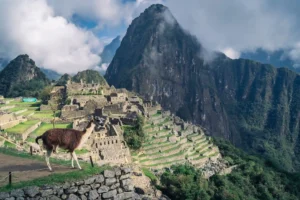
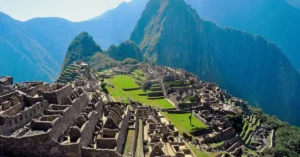
The reason most people come to Cusco. You can see it on a long day trip by train or stay a night in Aguas Calientes. Tickets are sold by circuit and time slot and sell out in high season, so check our Machu Picchu tickets guide before you book anything else.
18. Rainbow Mountain (Vinicunca)
A striped mountain about 3 hours from Cusco, with a short but demanding hike to a viewpoint at around 5,000 m. Do it at the end of your stay, once you’re acclimatized. Our Rainbow Mountain tour includes hotel pickup, breakfast and lunch.
19. Humantay Lake
A turquoise glacier lake below Salkantay peak, about 3 hours from Cusco, with a steep climb of about an hour to around 4,200 m. It’s a great alternative, or complement, to Rainbow Mountain.
20. Trek The Inca Trail Or Salkantay
If you have 4 or 5 days, walk to Machu Picchu. The classic Inca Trail needs a permit booked months ahead and closes in February; the Salkantay trek is a wilder, higher route that needs no permit. Both are best from May to September.
How Many Days Do You Need In Cusco?
Plan at least 4 to 5 days in the Cusco area, not counting flights. Cusco sits at about 3,400 m, so keep your first day slow and read our Cusco altitude guide before you go.
- 3 days: the city and the four ruins, plus Machu Picchu as a long day trip (tight).
- 4–5 days: the city, the Sacred Valley and Machu Picchu, with time to acclimatize.
- 6–7 days: add Rainbow Mountain or Humantay Lake, and Moray and Maras.
- 8 days or more: add a trek such as the Inca Trail or Salkantay.
The Cusco Tourist Ticket (Boleto Turístico), Explained
Most ruins and museums around Cusco can’t be paid for at the gate: you need the Cusco tourist ticket. The full ticket (boleto integral) covers 16 sites for 10 days, including Sacsayhuamán, Q’enqo, Puka Pukara, Tambomachay, Pisac, Ollantaytambo, Moray and Chinchero, several museums and the Qosqo folk dance show, and costs around S/130 for foreign adults. Cheaper partial tickets cover one group of sites, such as the four ruins near the city or the Sacred Valley, for 1 or 2 days.
It does not include Qorikancha, the Cathedral, the Maras salt mines or Machu Picchu, which have their own tickets. On tours, ask whether the ticket is included (usually it isn’t). You can buy it in soles at the official office in the center or at the first site you visit.
Best Time To Visit Cusco
May to September is the dry season: sunny days, cold nights (near freezing in June and July) and the clearest views at Machu Picchu and Rainbow Mountain. It’s also the busiest time, so book Machu Picchu and trains early. April, October and November are a good balance of weather and crowds. December to March is the rainy season: mornings are often clear and the hills are green, but expect afternoon showers, and the Inca Trail closes in February.
Sample 4-Day Cusco Itinerary
- Day 1: Fly in and go straight down to the Sacred Valley: Pisac, then a night in Urubamba or Ollantaytambo.
- Day 2: Ollantaytambo ruins in the morning, afternoon train to Aguas Calientes.
- Day 3: Machu Picchu early, train back toward Cusco in the afternoon.
- Day 4: Cusco city: Plaza de Armas, Qorikancha, San Blas, San Pedro Market and the four ruins.
Add a fifth day for Rainbow Mountain or Humantay Lake. Want it organized for you? Tell us your dates in Plan a Trip and our local team will build the route around them.
Local buddy tip
Do the city on your last days, not your first. Fly in, go straight down to the Sacred Valley to sleep lower, and come back to Cusco after Machu Picchu: by then the hills of San Blas and Sacsayhuamán feel easy. And buy the tourist ticket at the first ruin you visit and keep it with your passport: most sites check both.
Frequently Asked Questions About The Best Cusco Places To See
At least 4 to 5 days to see the city, the Sacred Valley and Machu Picchu without rushing. Add 1 or 2 days for Rainbow Mountain, Humantay Lake or Moray and Maras.
The full ticket covers 16 sites for 10 days, including Sacsayhuamán, Pisac, Ollantaytambo, Moray, Chinchero, several museums and a folk dance show. Qorikancha, the Cathedral and Machu Picchu are not included.
May to September, the dry season, for sunny days and clear mountain views. April, October and November are quieter and the weather is usually good.
Sacsayhuamán, Q’enqo, Puka Pukara and Tambomachay, all on the road above the city and covered by the tourist ticket. You can see them in half a day.
Yes. The city, the four ruins, the Sacred Valley, Moray and Maras and Rainbow Mountain easily fill several days, although most travelers combine them with Machu Picchu.
Rainbow Mountain Cusco Full Day
About 13 hours, from Cusco · From US$42 per person
Hotel pickup in Cusco, breakfast and lunch, guided hike to Vinicunca and return the same day.
Overview Of The Best Things To Do In Cusco
Cusco rewards a slow start: spend your first hours around the Plaza de Armas, Qorikancha and San Blas, see the four ruins above the city, then head out to the Sacred Valley, Machu Picchu and, once you’re acclimatized, Rainbow Mountain. Plan 4 to 5 days, buy the tourist ticket and come between May and September for the best weather.
Want help putting it together? Tell us your dates in Plan a Trip, or message us on WhatsApp, and our local team will plan your days in Cusco.