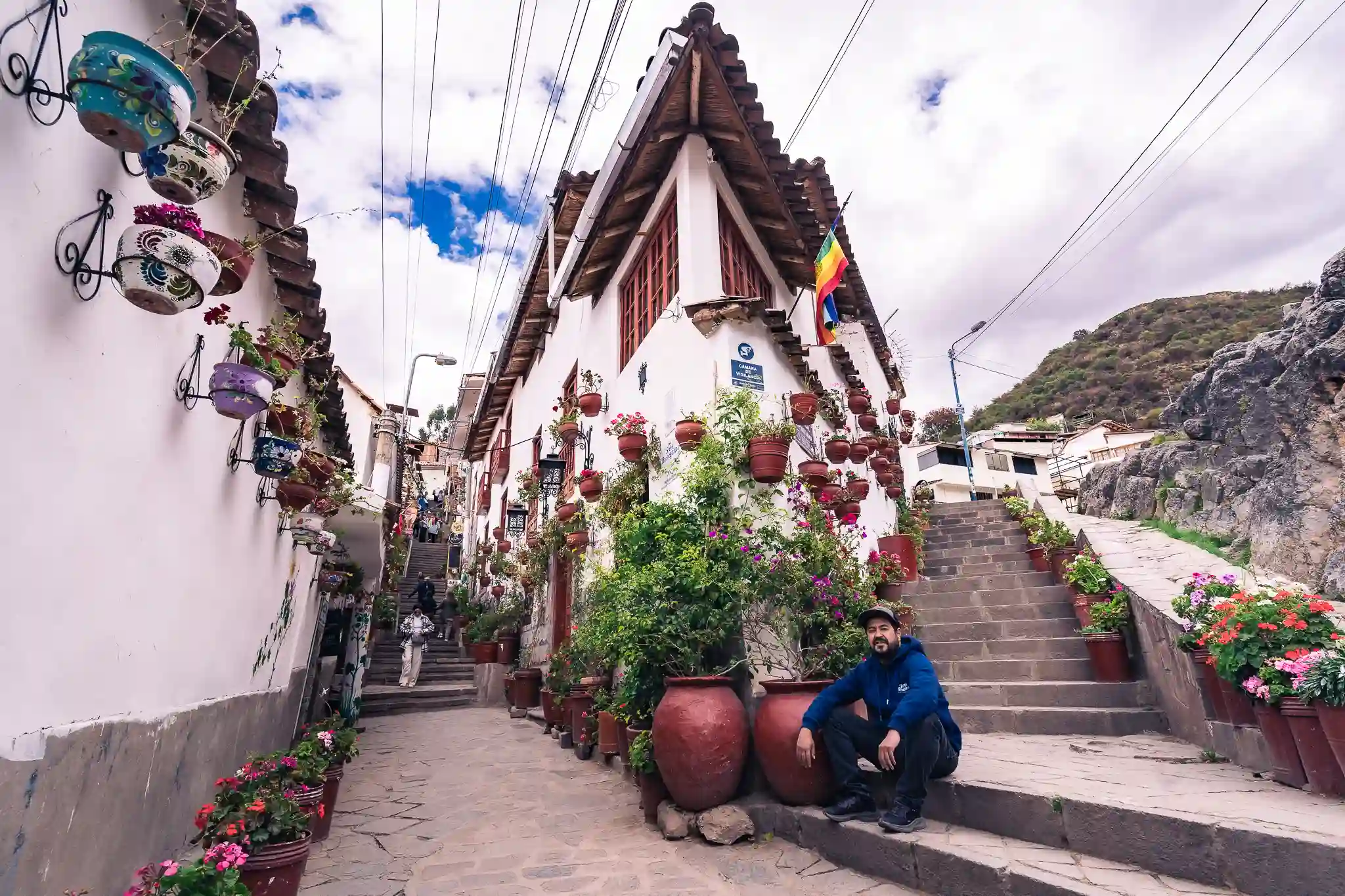
Cusco sits at about 3,400 m (11,152 ft) above sea level, high enough for most visitors to feel short of breath and some to get altitude sickness. Machu Picchu is lower, at about 2,430 m (7,970 ft). The best way to adapt is to rest on the first day, drink water and spend your first nights in the Sacred Valley if you can.
| Cusco | About 3,400 m (11,152 ft) |
|---|---|
| Sacred Valley | About 2,800-2,900 m (9,200-9,500 ft) |
| Machu Picchu | About 2,430 m (7,970 ft) |
| Rainbow Mountain / Humantay Lake | About 5,000 m / 4,200 m |
| Lima (for comparison) | 0-200 m · no altitude effects |
| Time to adapt | Most people feel better after 24-48 hours |
Almost every traveler who lands in Cusco feels the altitude in some way: a light headache climbing the stairs to the hotel, shortness of breath in the Plaza de Armas, a bad night of sleep. For most people it passes in a day or two.
We live and work at both ends of Peru, from sea-level Lima to Cusco, and we plan every itinerary around acclimatization. Here is what to expect and what really helps.
Table of Contents
How High Is Cusco Compared To Other Places In Peru?
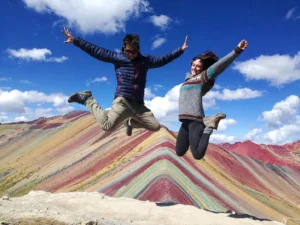
Cusco is one of the highest cities in the Americas at around 3,400 m. The Sacred Valley is about 500-600 m lower, and Machu Picchu lower still, which surprises many visitors. Day hikes such as Humantay Lake (about 4,200 m) and Rainbow Mountain (about 5,000 m) are much higher than the city.
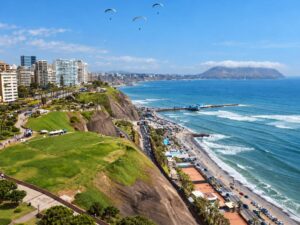
For comparison, Lima’s elevation is practically sea level, so flying directly from Lima to Cusco means climbing more than 3,000 m in about an hour and a half.
What Does Altitude Sickness Feel Like?
The most common symptoms are a headache, shortness of breath when walking uphill, tiredness, poor sleep and loss of appetite. Some people feel nausea or dizziness. Symptoms usually appear in the first 6-24 hours and improve as your body adapts.
Severe altitude sickness is rare at Cusco’s altitude, but it exists. If symptoms get worse instead of better, or you feel confused or very breathless at rest, see a doctor and go to a lower altitude. Hotels and clinics in Cusco have oxygen.
How To Avoid Altitude Sickness In Cusco
Take it easy on day one: a short walk and an early night, no hikes.
- Drink plenty of water and limit alcohol for the first 48 hours.
- Eat light meals; carbohydrates are easier to digest at altitude.
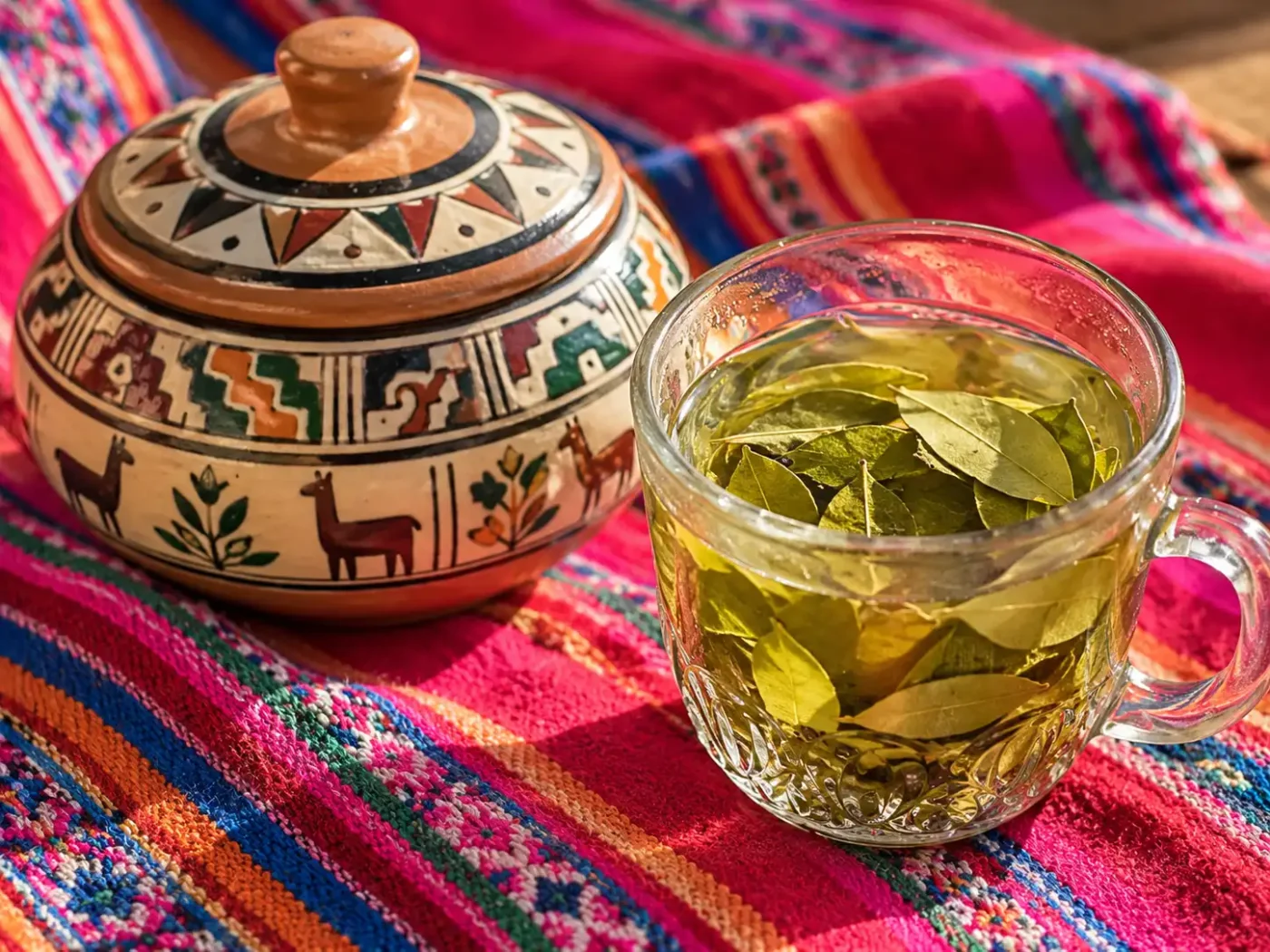
- Try coca tea (mate de coca), which most hotels offer for free.
- Ask your doctor before the trip about medication such as acetazolamide.
- Plan your highest hikes (Rainbow Mountain, Humantay) at the end of your stay, not at the start.
Should You Stay In Cusco Or The Sacred Valley First?
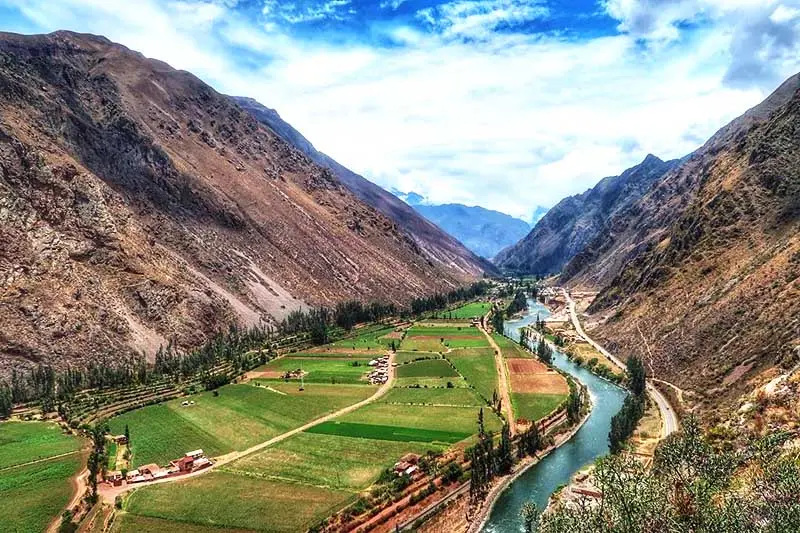
If you are worried about the altitude, go straight from Cusco airport to the Sacred Valley and spend your first one or two nights there. It is lower and warmer, you sleep better, and it is on the way to Machu Picchu. Then come back to Cusco at the end of the trip, already adapted, to explore the city.
Is Cusco Higher Than Machu Picchu?
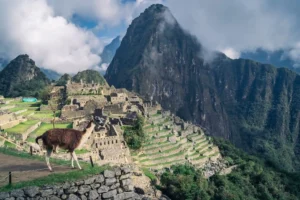
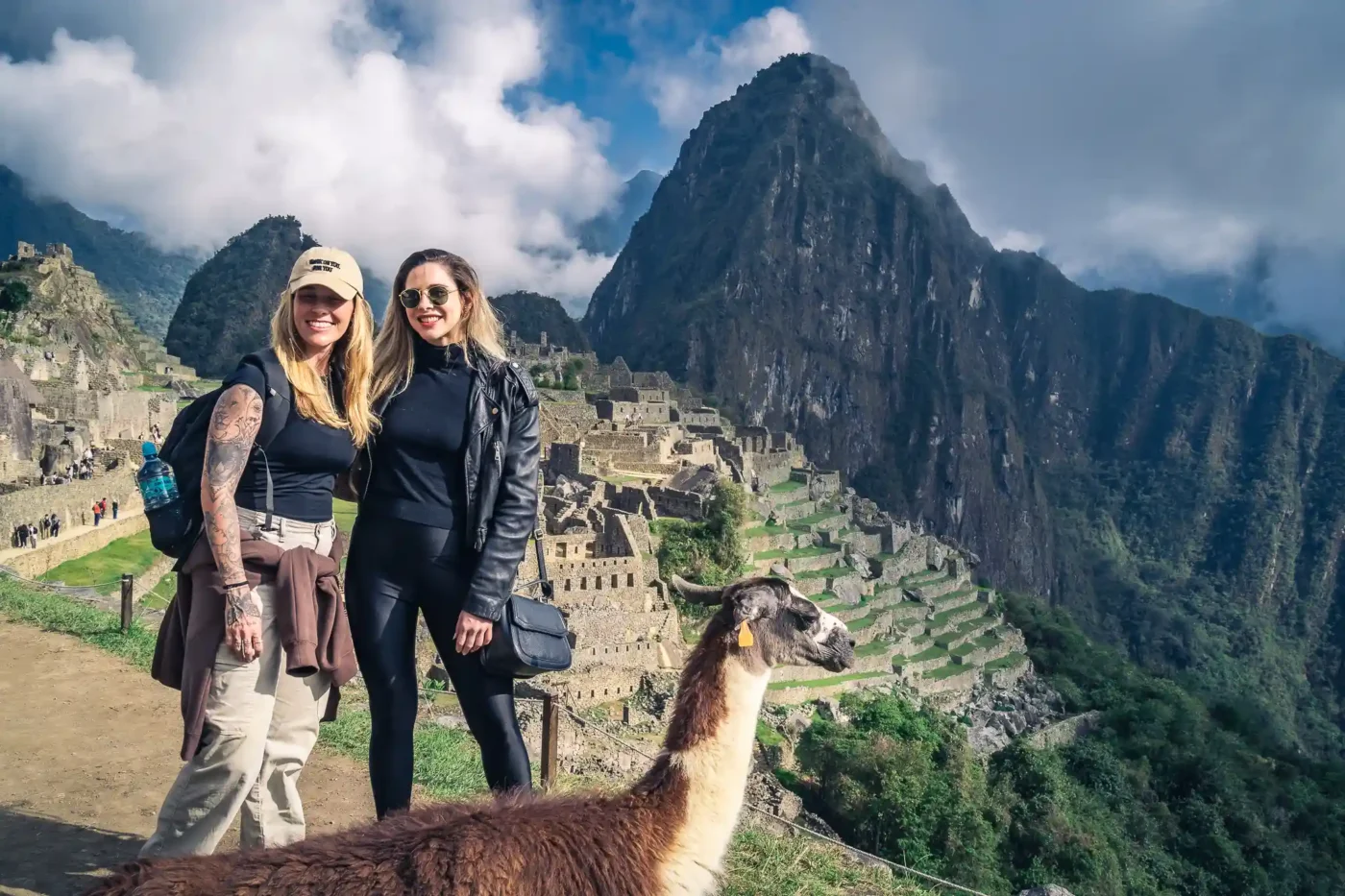
Yes. Cusco is about 1,000 m higher than Machu Picchu. Many travelers feel much better when they reach Machu Picchu after a few days in Cusco, and the climb up to the viewpoints there is easier than walking around Cusco on day one.
Local buddy tip
Book a morning flight from Lima and a low-key first afternoon: walk to San Blas slowly, have a coca tea, and save the steep streets and museums for day two. And bring a refillable water bottle: the dry air at altitude dehydrates you faster than you notice.
Full Day Tour in the Sacred Valley
About 11 hours, from Cusco · From US$25 per person
A gentle first day at lower altitude: Pisac, Ollantaytambo and the villages of the Sacred Valley, with a local guide.
Frequently Asked Questions
For most travelers it is mild: a headache, shortness of breath and tiredness for a day or two. Rest on the first day, drink water and avoid alcohol. See a doctor if symptoms get worse.
Yes. Cusco is at about 3,400 m and Machu Picchu at about 2,430 m, roughly 1,000 m lower.
No. Cusco is high at about 3,400 m, but cities such as La Paz and El Alto in Bolivia are higher.
It is unlikely. Machu Picchu is lower than Cusco, so if you have spent a few days in Cusco or the Sacred Valley you will usually feel better there.
Overview
Cusco sits at about 3,400 m, the Sacred Valley around 2,800 m and Machu Picchu at about 2,430 m. Most travelers feel mild symptoms for a day or two. Rest on arrival, drink water, avoid alcohol, try coca tea, and consider starting in the Sacred Valley. Leave the highest hikes, like Rainbow Mountain and Humantay Lake, for the end of your stay.